


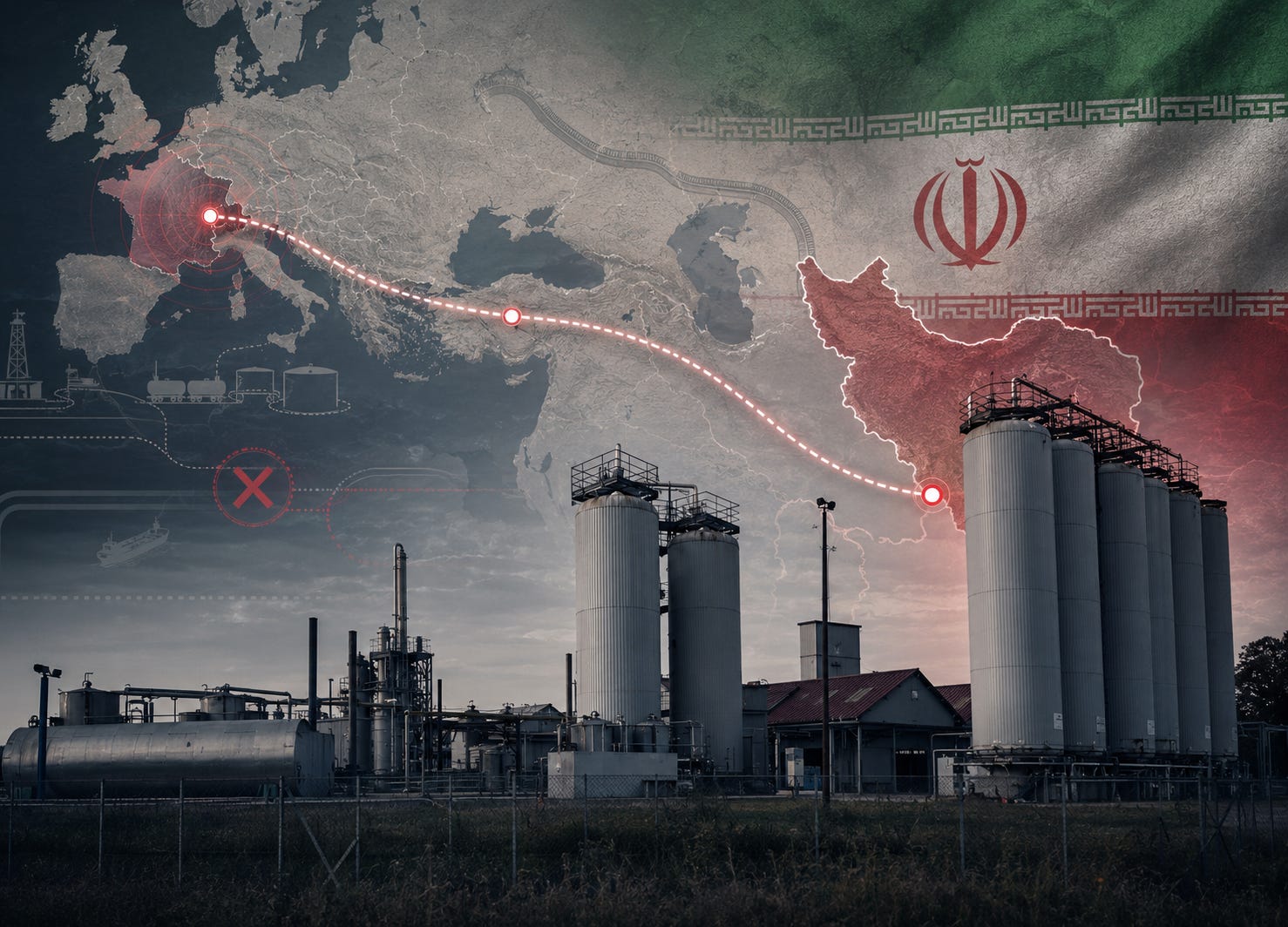
A biodiesel refinery in the French countryside has landed on the U.S. sanctions list after Washington traced it to Mohammad Hossein Shamkhani, whom U.S. authorities say controls a sprawling oil and shipping network used to move Iranian and Russian petroleum around the world.
In July 2025, the U.S. Treasury targeted Shamkhani’s network in its largest Iran-related sanctions action since 2018, designating more than 50 individuals and entities and identifying more than 50 vessels. His father, Ali Shamkhani, a top adviser to Iran’s Supreme Leader, had already been sanctioned by Washington in 2020.
Now the trail leads to France.
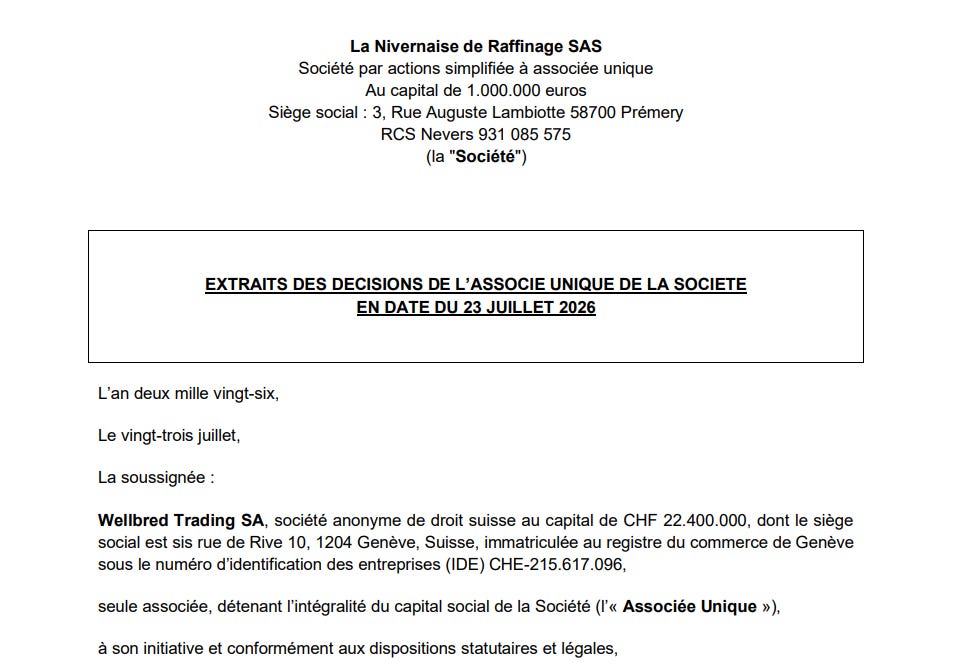
La Nivernaise de Raffinage, a functioning biodiesel refinery in Prémery, was sanctioned by the U.S. Treasury on August 24 after being traced through Geneva-based Wellbred Trading SA and Singapore-based Wellbred Capital back to Shamkhani.
The Treasury Department says Shamkhani remained ultimately responsible for Wellbred, which pursued European alternative-energy investments “as part of its efforts to appear as a legitimate company,” including the French refinery acquisition.
The Network Behind Wellbred
Shamkhani’s network was already under heavy U.S. scrutiny. In July 2025, the U.S. Treasury described his operation as a “vast shipping empire” controlling a significant portion of Iran’s crude exports. The network used tankers, containerships, management firms and front companies to move Iranian and Russian petroleum while obscuring its ties to Iran and the Shamkhani family.
The operation generated tens of billions of dollars in profit, according to U.S. officials.
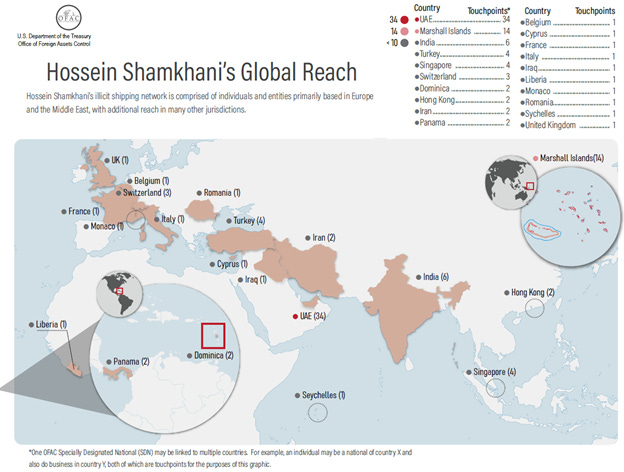
His father, Ali Shamkhani, was a top political adviser to Iran’s Supreme Leader and was sanctioned by Washington in 2020. U.S. authorities say Mohammad Hossein Shamkhani leveraged his father’s political influence to build and expand the network.
La Nivernaise is controlled by Switzerland-based Wellbred Trading SA, which is in turn controlled by Singapore-based Wellbred Capital PTE. LTD. Wellbred Capital was sanctioned for being owned or controlled by, or acting on behalf of, Shamkhani.
Wellbred also traded oil, naphtha, liquefied petroleum gas and other petrochemicals that moved through Shamkhani’s broader network.
The IRGC Connection
La Nivernaise and the Wellbred companies were designated under Executive Order 13902, which targets sectors of Iran’s economy, rather than under Treasury’s primary counterterrorism authority. There is no public evidence that the French refinery itself processed Iranian crude or directly transferred money to a terrorist organization. But the wider Shamkhani network has been tied by U.S. authorities to funds allegedly benefiting Iran’s Islamic Revolutionary Guard Corps and its Quds Force.
In March 2026, the Justice Department sought forfeiture of more than $15.3 million allegedly used to fund Shamkhani’s illicit Iranian oil network. Prosecutors said the funds were subject to forfeiture because they provided a source of influence over the National Iranian Oil Company, the IRGC and the IRGC-Quds Force, with the latter two designated Foreign Terrorist Organizations by the United States.
According to the Justice Department, $12.97 million of the seized funds were intended for Wellbred Capital and its Dubai subsidiary, Wellbred Trading DMCC. Prosecutors allege Shamkhani and his associates operated those companies to maintain a “brand” that was not publicly perceived to be affiliated with Shamkhani or Iran.
The DOJ says that behind that public-facing image, Wellbred was actually operated by Shamkhani and close associates for the benefit of his network and Iran.
What the Records Show
A struggling French industrial plant was acquired through a court-approved deal by a Geneva commodities company presenting itself as a clean-energy investor.
The Prémery refinery now illustrates the reach of that strategy: an Iranian-linked network moving beyond shadow tankers and offshore shells into apparently ordinary commercial assets operating inside Europe.