



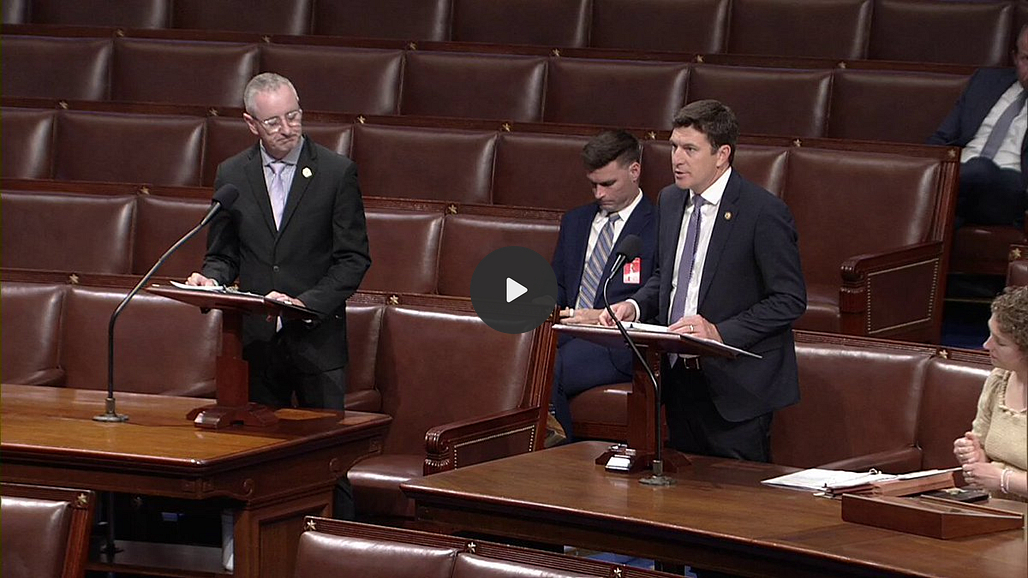
The U.S. House of Representatives unanimously passed bipartisan legislation this week banning foreign nationals from financing state and local ballot initiatives, referenda, and recall elections—closing a loophole that has allowed foreign corporations and billionaires to pour millions into American policy fights. The Stop Foreign Funds in Elections Act (H.R. 3535), authored by Reps. Brian Fitzpatrick (R-PA) and Jared Golden (D-ME), now advances to the Senate, where a companion bill has yet to emerge despite parallel Republican efforts introduced last year.
The measure would use the FEC’s existing enforcement system rather than create a new regulatory body. Violations would be subject to the civil and criminal penalties already available under federal campaign-finance law. The Congressional Budget Office estimated that implementing the legislation would cost the FEC less than $500,000 from 2027 through 2031.
The timing matters: foreign money has already influenced critical state votes from Montana mining regulations to Maine energy projects, with one Canadian utility alone spending over $22 million to shape a single referendum. The shock is institutional: the Federal Election Commission has explicitly urged Congress to fix this gap, acknowledging that foreign spending on ballot measures falls “outside the purview” of current federal law.
The Loophole
Federal law already prohibits foreign nationals from financing candidate elections at any level. But the Federal Election Campaign Act contains no explicit ban on foreign contributions to issue-based elections—ballot initiatives, referenda, and recall campaigns that can rewrite state constitutions, enact laws, or remove elected officials.
The FEC has interpreted this gap to mean foreign spending on ballot measures is legal under federal law. In 2021, the commission dismissed a complaint against Sandfire Resources, an Australian mining company that spent nearly $288,000 to defeat a Montana water pollution measure. The agency concluded foreign campaign contributions tied to ballot questions fell outside its jurisdiction.
Then-FEC Chair Shana Broussard, a Democrat, wrote in a statement: “Until Congress expands the Act’s foreign national prohibition to encompass state and local ballot activities, which I urge it to do, the Commission is bound by the law as it currently stands.”
The recommendation later gained the support of the full commission. In December 2024, the FEC unanimously designated extending the foreign-national prohibition to ballot initiatives, referenda and recall elections as one of its highest-priority recommendations to Congress. The commission had issued the same recommendation in 2022.

The Money Trail
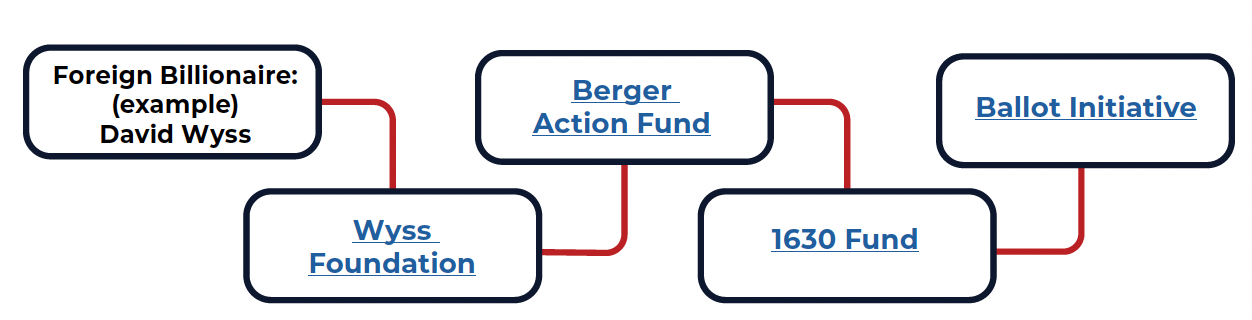
In Maine, a U.S. subsidiary of Hydro-Québec, a utility owned by the government of Quebec, spent more than $22 million beginning in 2020 to fight referendum efforts targeting a proposed transmission line. The political battle culminated in a November 2021 referendum in which Maine voters rejected the project.
According to a 2022 University of Maryland survey cited by America First Policy Institute, 80 percent of voters favor Congress banning foreign individuals and entities from influencing ballot initiatives. In Ohio alone, more than $14 million in foreign money was spent on ballot measures related to drug penalties and abortion—despite 85 percent of Ohio voters opposing foreign influence in such campaigns.
Senate Uncertainty
The House bill now advances to the Senate, but its fate remains unclear. No direct companion legislation has been introduced to match H.R. 3535.
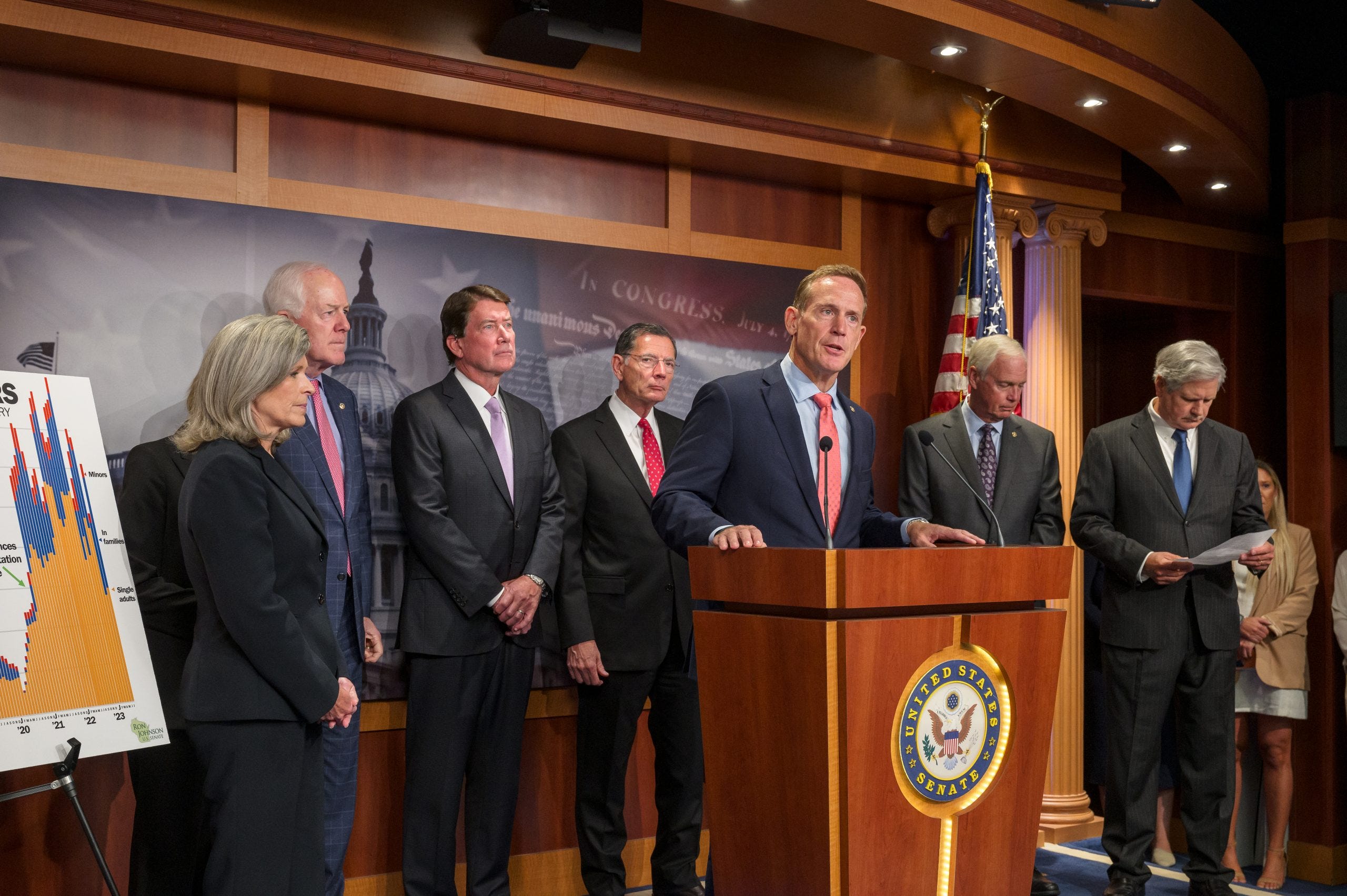
A separate Senate Republican effort exists: the Preventing Foreign Interference in American Elections Act, reintroduced in November 2025 by Sens. Bill Hagerty (R-TN) and Ted Budd (R-NC). That bill includes a provision barring foreign nationals from donating to state ballot initiatives but also contains broader restrictions on foreign-funded get-out-the-vote activity and protections against government disclosure of nonprofit donor information—elements not present in the House version.
Whether Senate leadership will take up the House bill, the Hagerty-Budd legislation, or negotiate a hybrid measure is unknown. The FEC, meanwhile, has recommended Congress act to close the loophole.
The Broader Picture
Federal campaign finance law strictly prohibits contributions, donations, expenditures, or electioneering communications by foreign nationals in connection with federal, state, or local elections. The ban covers foreign governments, foreign nationals without permanent residency, and foreign-controlled entities.
But enforcement remains challenging. The FEC recently deadlocked 3-3 on a case involving American Ethane Co., a U.S. firm 88 percent owned by Russian nationals that made political contributions using foreign-sourced loans. Republican commissioners voted against enforcement, characterizing foreign loans as “investments” rather than prohibited foreign money.
A November 2023 FEC inspector general report found that identifying unlawful foreign contributions “continues to pose a significant challenge.” From 2010 to 2023, the agency’s workforce shrank by 12 percent while transactions under its oversight ballooned from 2 million in 2000 to 590 million in 2022.
At least eight states—California, Colorado, Maryland, Nevada, North Dakota, Ohio, South Dakota, and Washington—have enacted their own bans on foreign money in ballot measures, though restrictions vary.